

Digital Dictionary of Buddhism : ค้นหาหนังสือธรรมะ หน้า 40 / 57
หน้าหนังสือทั้งหมด
114
การศึกษาแนวทางมหายานในพระพุทธศาสนา
the Great Vehicle : Three Mahāyāna Buddhist Texts. Ann Arbor, Mich. : Collegiate Institute for the Study of Buddhist Literature and Center for South and Southeast Asian Studies, University of Michigan
บทความนี้นำเสนอการศึกษาเกี่ยวกับพระคัมภีร์มหายานสามเล่ม เน้นที่การตีความธรรมชาติของพระพุทธเจ้าและความไม่สามารถที่จะรู้จักธรรมได้ด้วยความรู้สึกทางประสาทสัมผัส นอกจากนี้ยังกล่าวถึงงานวิจัยที่เกี่ยวข้องก
157
หลักฐานทางวัฒนธรรมในคัมภีร์ทธิวุทธิโบราณ
หลักฐานทางวัฒนธรรมในคัมภีร์ทธิวุทธิโบราณ 1 ฉบับร่วมงานวิจัยโดยอ๋อ
เชิงอรรถท้ายบทที่ 3
1 เรียนเรียงจากงานวิจัยของพระเกียรติศักดิ์ กิตติญโญ (2557) "สมาธิศูนย์กลางทางในพระพุทธ ศาสนาจินตคณูตชั้นและยุคโฮ
เนื้อหานี้เน้นการศึกษาหลักฐานทางวัฒนธรรมที่พบในคัมภีร์ธิวุทธิโบราณ โดยเฉพาะการวิจัยและข้อมูลจากแหล่งอ้างอิงสำคัญต่างๆ ที่บ่งชี้ถึงความสัมพันธ์ระหว่างจีนและอินเดียในด้านพระพุทธศาสนา การเคลื่อนย้ายของผู
12
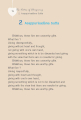
Asapurisaḍāṇa Sutta - The Worthiness of Gifts
2. Asapurisaḍāṇa Sutta
Bhikkhus, these five are unworthy gifts.
What five ?
Giving disrespectfully,
giving without heart and thought,
not giving with one’s own hand,
giving something which is to be d
The Asapurisaḍāṇa Sutta explains the nature of giving in Buddhism, distinguishing between unworthy and worthy gifts. Unworthy gifts include those given disrespectfully, without thought, not given from
32
The Role of Mahā pajā pati Gotaṃi in Early Buddhism
21 Mahā pajā pati Gotaṃi was the younger sister of Queen Mahā mā yā the Buddha’s mother, and was also the wife of King Suddhodana. After Mahā mā yā’s death, she became the Buddha’s foster mother. The
Mahā pajā pati Gotaṃi, sister of Queen Mahā mā yā and wife of King Suddhodana, became the Buddha's foster mother after the queen's death. During the early days of the Buddha's teachings, she advocated
38
The Virtue of Abstaining in Dakhina-vibhanga Sutta
The Virtue of Abstaining
6. Dakhina-vibhanga Sutta
the virtues loved by noble ones.24 It is owing to the Blessed One that Mahā paja pārī Gotāmī is free from doubt about suffering, about the origin of
The Dakhina-vibhanga Sutta highlights the significance of abstaining from harmful actions such as killing and immoral conduct. It illustrates how one's journey towards refuge in the Buddha, Dhamma, an
58
The Significance of Giving in Difficult Times
45 AN 9.20, PTS: A IV 392: translated from the Pali by Thanissaro Bhikkhu
46 The Commentary states that Anathapindika is here referring to alms that he gives to the poor; his alms to the Sangha remain
This passage discusses a teaching from the Buddha to Anathapindika, emphasizing that even in times of famine when one can only offer coarse food, the act of giving remains valuable. The commentary hig
20
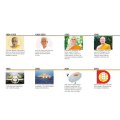
History of Wat Phra Dhammakaya and Key Figures
1884-1959
The Great Master Phramongkolthepmuni, Abbot of Wat Paknam. Discoverer of the Dhammakaya Meditation Method.
1909-2000
Khun Yai Chand Khonnokyoong, founder of Wat Phra Dhammakaya (the Dhammak
The history of Wat Phra Dhammakaya traces its origins to influential figures such as Phramongkolthepmuni, the Great Master and discoverer of the Dhammakaya Meditation method. Khun Yai Chand Khonnokyoo
23
Luang Por Dhammajayo: Abbot of Wat Phra Dhammakaya
LUANG POR DHAMMAJAYO
Phrathepyanmahamuni
Abbot of Wat Phra Dhammakaya
“I seek to pursue Perfections by instilling goodness in the hearts and minds of
the people of the world, for them to embr
Luang Por Dhammajayo, the Abbot of Wat Phra Dhammakaya, dedicated his life to promoting Buddhism and instilling goodness in people's hearts. He emphasized the importance of morality and mental cultiva
24
Chaiyaboon's interest in Buddhism began at a very young age
29
The Journey of Chaiyaboona: From Student to Teacher
gently. Every morning he would leave his dorm at 6 a.m., spent two hours on three
different buses to reach Khun Yai's place in order to practice meditation with her. After
school he would do the same
Chaiyaboona, after dedicating his early mornings and nights to meditation under Khun Yai, graduated with a degree in Economics and became a monk in 1969. He was given the name Dhammajayo, meaning 'Vic
31
Khun Yai's Vision for a Meditation Center
and her team could have their own place to teach and practice meditation and to propagate Buddhism. Unfortunately, all Khun Yai had in her possession was her own meager savings of 3,200 Baht ($160 in
This text narrates the challenges faced by Khun Yai and her team as they aim to create a meditation center despite limited resources of only 3,200 Baht. With unwavering faith in the power of merit, Kh
37
Luang Por's Legacy of Leadership and Accomplishments
During the forty-four years under Luang Por’s leadership, the world has witnessed some of the most astounding accomplishments any one person can achieve in one lifetime. There are more than one hundre
During his 44 years of leadership, Luang Por has initiated over 100 projects that revolutionized Buddhism across the globe. With the establishment of eighty Dhammakaya centers in thirty countries and
43
Phramongkolthepmuni: The Discoverer of Dhammakaya Meditation
PHRAMONGKOLTHEPMUNI
Discoverer of the Dhammakaya Meditation Method
Famously known as Luang Por Wat Paknam, one of the most Venerated Buddhist monks in the history of Thailand, Phramongkolthepmuni was
Phramongkolthepmuni, born Sodh Mikaewn-oi, was a significant figure in Thai Buddhism. Born on October 10, 1884, in Suphanburi, he displayed unwavering determination and compassion from a young age. Hi
46
The Journey of Candasaro Bhikkhu: A Monk's Path to Enlightenment
He pondered about what he should do with his life, and came to the conclusion that there was nothing more worthwhile for him to do than pursuing a life of purity by becoming a monk. He made the resolu
Sodh, later known as Candasaro Bhikkhu, decided to pursue a life of purity by ordaining as a monk at the age of 22. He practiced meditation relentlessly and sought the guidance of esteemed teachers ac
49
The Legacy of Phramongkolthepmuni
that he founded is practiced by millions of people throughout the world today. For most Buddhists in Thailand, Phramongkolthepmuni is best known by his miracles, prophecies and super-natural healing p
Phramongkolthepmuni, known for his miracles and super-natural healing abilities, is a significant figure in Thai Buddhism. Millions of devotees pray to him for guidance and assistance daily, showcasin
57
Legacy of Khun Yai and the Great Dhammakaya Cetiya
on Saturday, April 22, 2000, Khun Yai was 91 years old when the great Cetiya was completed. She lived to see that big day. The Great Dhammakaya Cetiya is indeed a gift to mankind. The compounds surrou
On April 22, 2000, Khun Yai, at 91, witnessed the completion of the Great Dhammakaya Cetiya, becoming a central hub for over one million Buddhists globally. After her passing on September 10, 2000, an
61
Understanding Dhammakaya Knowledge
The Dhammakaya Knowledge is taught by the Buddha to constitute the transcendental, blissful, eternal, and pure Self of the Buddha. Dhammakaya doctrines can be found in the scriptures of all major Budd
Dhammakaya Knowledge is a profound teaching from the Buddha that emphasizes the transcendental, blissful, and pure nature of self. This concept is integral to all major Buddhist schools, including The
65
Dhammakaya Temple: A Community of Peace and Meditation
The Dhammakaya Temple is more than just temple buildings. It is a community that exemplifies a culture of peace and non-violence where meditation comes first and material concerns come last.
Establis
The Dhammakaya Temple, established on February 20, 1970, embodies a culture of peace and meditation, prioritizing spiritual growth over material concerns. It features the largest meditation hall, capa
161
Understanding Key Thai Terms in Buddhism
Klong: a Thai word for canal
Luang Por: a Thai word which means Venerable Father, an informal way of addressing a senior monk.
Luang Pu: a Thai word which means Venerable Grandfather, an informal wa
This text provides insight into important Thai terms associated with Buddhism. Terms such as 'Klong' refer to canals, while 'Luang Por' and 'Luang Pu' are respectful titles for monks, particularly in
162
Glossary of Buddhist Terms
158 GLOSSARY
Mundane merit: merit gained through performance of good deeds, such as sweeping the temple, helping the poor, making charitable contributions.
Nibbana (Skt. Nirvana): the state of ultim
This glossary provides definitions and insights into crucial Buddhist terms such as Mundane Merit, which refers to merit from good deeds, and Nibbana, the ultimate state of happiness and enlightenment